
Narragansett Bay Commission celebrates 125 years at Field’s Point facility
 ContributorApril 28, 20261 Mins read57
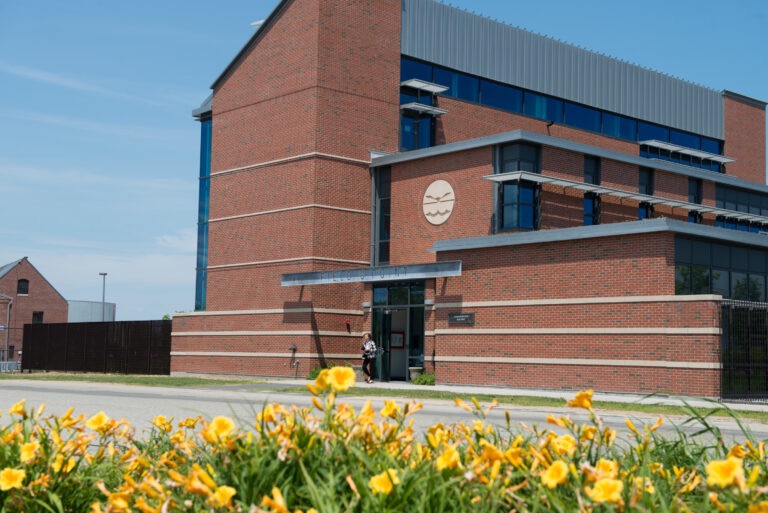
PROVIDENCE, R.I. — The Narragansett Bay Commission is celebrating 125 years of operations at its Field’s Point facility, marking a major milestone in Rhode Island’s environmental and public health history.
The Field’s Point wastewater treatment plant, located along the Providence River, has been a critical part of the state’s infrastructure since the early 1900s, working to protect Narragansett Bay and surrounding waterways.

A facility with more than a century of history
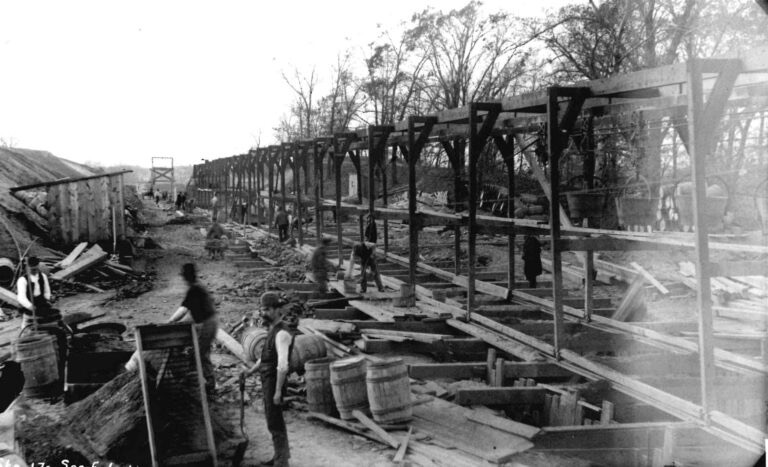
The Field’s Point facility dates back to around 1901, when Rhode Island established one of its first large-scale wastewater treatment systems to manage growing urban waste.
Over the decades, the plant has undergone significant upgrades and transformations. At one point in the 1970s, aging infrastructure led to millions of gallons of untreated or partially treated sewage entering local waters each day, creating serious environmental concerns.
From pollution crisis to national recognition
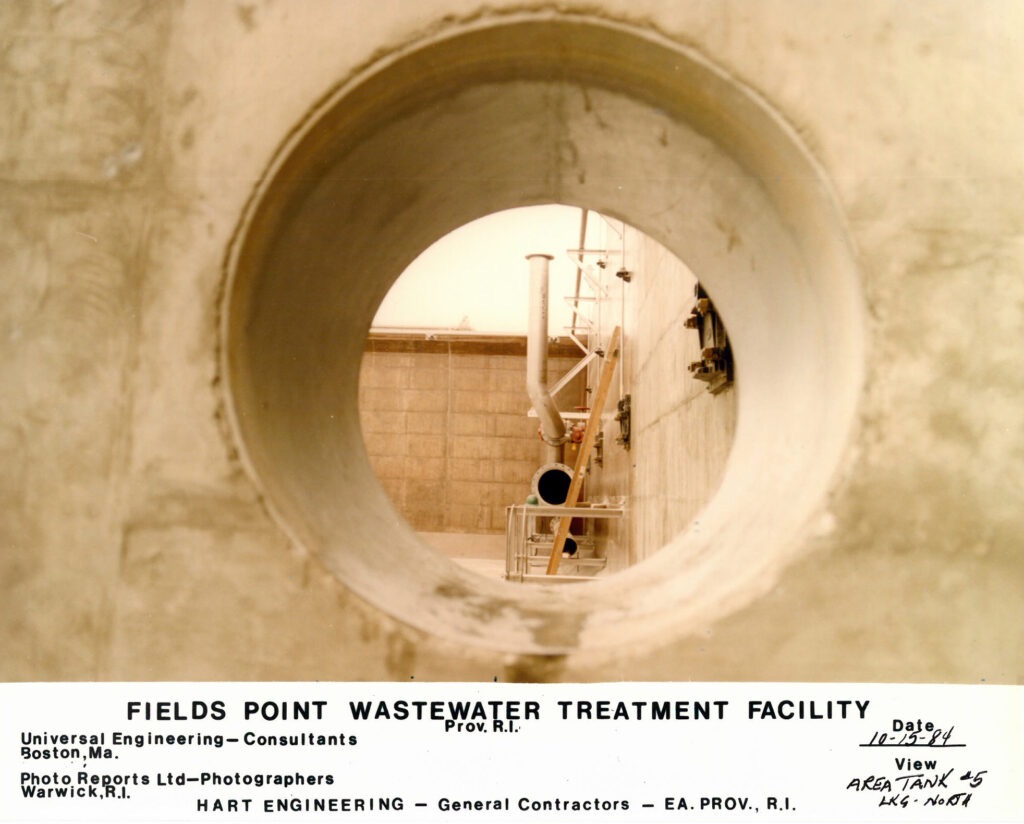
Following federal intervention and the passage of the Clean Water Act, major investments were made to modernize the facility and reduce pollution.
By the 1990s, those efforts paid off. The Field’s Point plant was recognized by the U.S. Environmental Protection Agency as one of the best large secondary treatment facilities in the country, a dramatic turnaround from its earlier condition.
Ongoing improvements and sustainability efforts
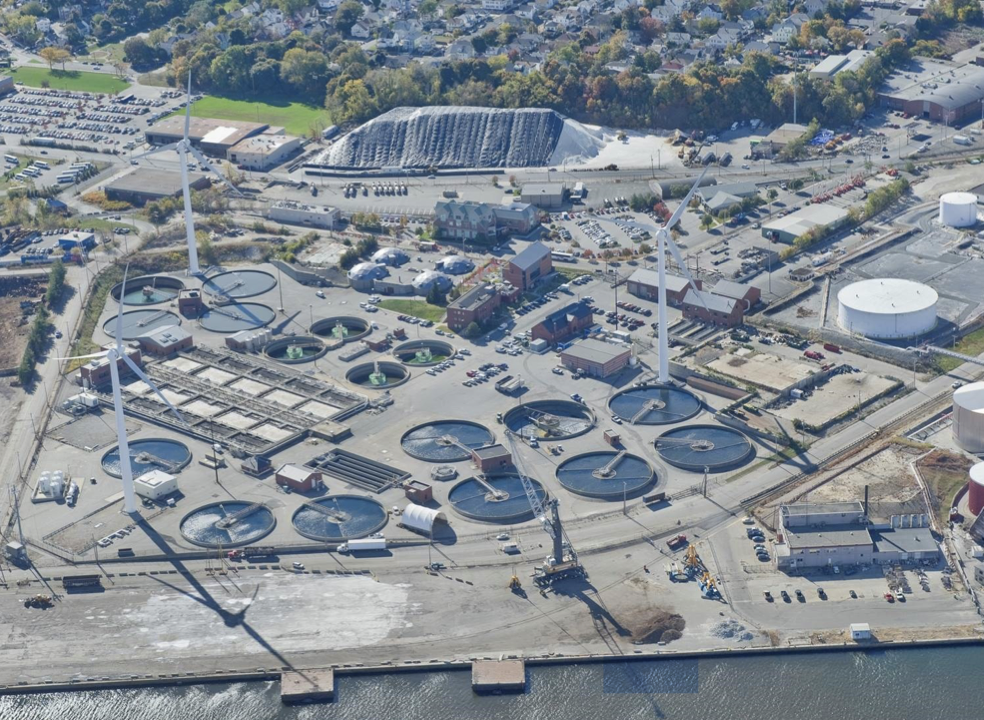
In recent years, the Narragansett Bay Commission has continued to expand and modernize operations at Field’s Point.
Projects have included large-scale sewer overflow reduction systems, renewable energy initiatives like wind turbines, and infrastructure designed to improve water quality throughout the region.
Officials say these efforts have helped make Narragansett Bay cleaner than it has been in more than a century.
A milestone for Rhode Island
The 125-year milestone highlights the facility’s long-standing role in protecting public health and supporting the state’s environment.
Today, Field’s Point operates around the clock, treating wastewater from homes and businesses while continuing to evolve to meet modern environmental standards.



Meet our Cat of the Week, Ernest
Meet our Cat of the Week, Ernest! Ernest has six toes, zero red flags, and absolutely no business still being single. He is...



Providence stabbing suspect previously charged in stabbing of 2 children
PROVIDENCE, R.I. — The suspect accused of stabbing a mother and her...
La Pigna returns to Federal Hill arch
PROVIDENCE, R.I. — La Pigna is back up on the Federal Hill...

Mother and toddler stabbed in Providence
PROVIDENCE, R.I. — A mother and her toddler were hospitalized Wednesday after...

Joe Biden and Jay Leno attend Newport car show
NEWPORT, R.I. — Former President Joe Biden and comedian Jay Leno were...





Leave a comment