Foulkes beats McKee in the Rhode Island governor primary
 ContributorSeptember 8, 20262 Mins read14
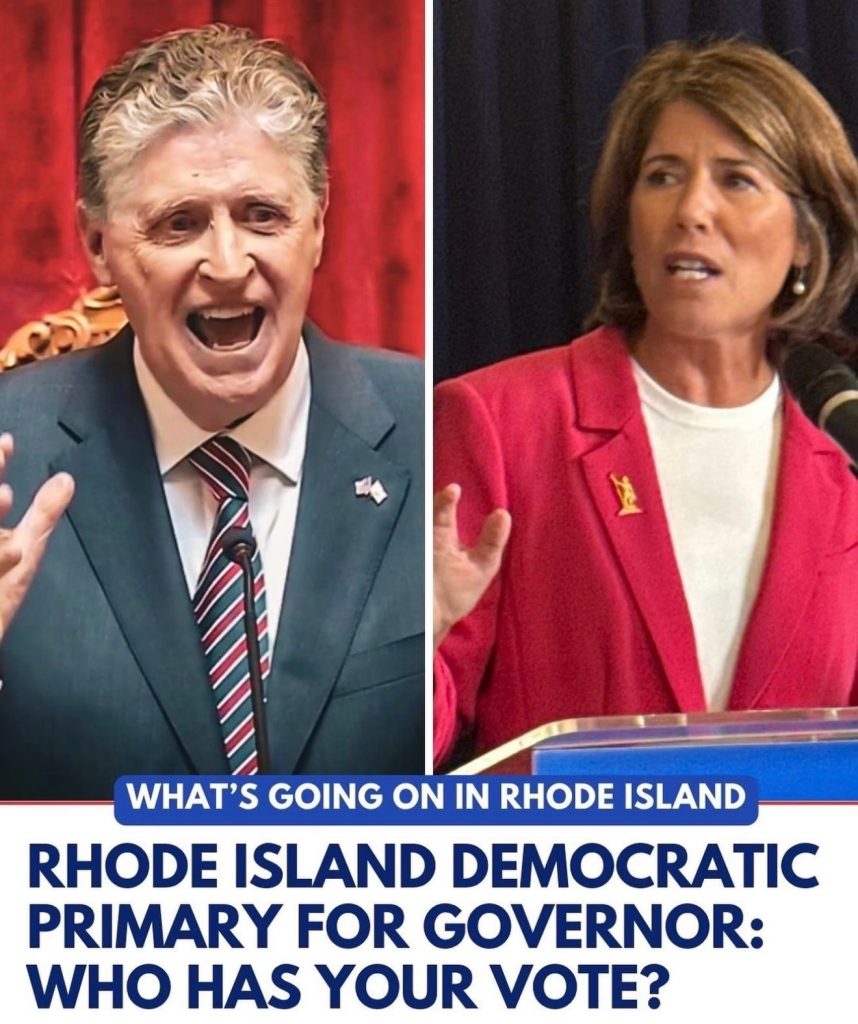
PROVIDENCE, R.I. — Helena Foulkes defeated Governor Dan McKee in Rhode Island’s Democratic gubernatorial primary, ending McKee’s campaign for another term and setting up a major change at the top of the Democratic ticket.
Foulkes won the primary with about 62% of the vote, while McKee received roughly 38%.
The result was a dramatic turnaround from the two candidates’ previous matchup in 2022, when McKee defeated Foulkes in the Democratic primary.
A Different Race in 2026
The rematch looked very different from the contest four years earlier.
Instead of facing several Democratic candidates, McKee and Foulkes went head-to-head in 2026. Foulkes spent much of the campaign presenting herself as an alternative to the incumbent and arguing that Rhode Island needed a different approach in state government.
McKee campaigned on his experience as governor and his record in office.
Ultimately, Democratic voters gave Foulkes a sizable advantage.
The Washington Bridge Was a Major Issue
The troubled Washington Bridge became one of the most visible issues of McKee’s time in office and a frequent subject of criticism during the campaign.
The bridge was closed after serious structural problems were discovered, creating significant traffic problems for Rhode Island commuters.
Foulkes repeatedly pointed to the bridge project during her campaign, arguing that the situation demonstrated problems with how state government was being managed.
McKee defended the decision to close the bridge, emphasizing the importance of public safety and the need to address the structural problems.
Foulkes’ Background Set Her Apart
Foulkes also brought a very different background to the race.
Before entering politics, she spent years in the business world, including executive positions at CVS. Her campaign highlighted that experience and promoted her as someone who could bring a different perspective to Rhode Island government.
McKee had spent decades in Rhode Island politics. He previously served as mayor of Cumberland and lieutenant governor before becoming governor in 2021 following Gina Raimondo’s departure.
That contrast became an important part of the primary: an experienced political incumbent against a challenger promising a change in direction.
McKee’s Historic Primary Loss
The defeat was significant for McKee and Rhode Island politics.
McKee became the first sitting Rhode Island governor in more than three decades to lose a primary while seeking another term.
His defeat was also notable nationally because sitting governors rarely lose their own party’s primary.
For Foulkes, the victory represented a remarkable reversal from 2022. After losing to McKee in that primary, she returned four years later and defeated the incumbent by more than 24 percentage points.
What Comes Next for Foulkes?
Foulkes now moves forward to the November general election as the Democratic nominee for governor.
The primary victory puts her in a position to campaign for the state’s highest elected office while McKee’s time as governor moves toward its conclusion.
The result also gives Rhode Island voters a new Democratic candidate after four years of McKee’s administration.
For Foulkes, the path from losing the 2022 primary to defeating McKee in 2026 marks one of the biggest political turnarounds in recent Rhode Island history.



Meet our Cat of the Week, Ernest
Meet our Cat of the Week, Ernest! Ernest has six toes, zero red flags, and absolutely no business still being single. He is...



Providence stabbing suspect previously charged in stabbing of 2 children
PROVIDENCE, R.I. — The suspect accused of stabbing a mother and her...

La Pigna returns to Federal Hill arch
PROVIDENCE, R.I. — La Pigna is back up on the Federal Hill...

Mother and toddler stabbed in Providence
PROVIDENCE, R.I. — A mother and her toddler were hospitalized Wednesday after...

Joe Biden and Jay Leno attend Newport car show
NEWPORT, R.I. — Former President Joe Biden and comedian Jay Leno were...





Leave a comment